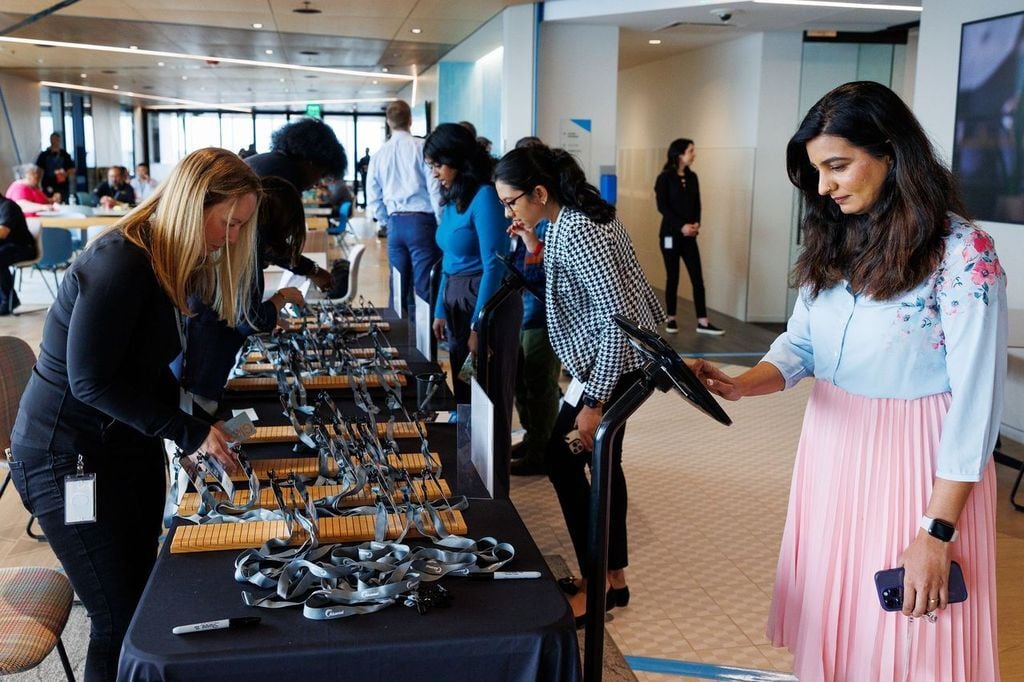
Networking doesn't happen by accident, and neither does creative event design and production. If you ask people why they attend a conference, leadership summit, or industry event, you'll get a lot of different answers. They want to learn new things. Hear from industry experts. Explore new ideas.
But ask them what they remember afterward, and the conversation often shifts.
Sometimes it’s the big event moment, but often it’s the person they met over coffee. The conversation that kept going long after the session ended. The introduction that became a new client, a future partnership, or their conference bff.
Those moments don’t always happen on stage.
The Event Doesn't Pause Between Sessions
It's easy to think of networking as something that happens during breaks. Sessions end, people grab a cup of coffee, catch up with colleagues, and eventually make their way back into the ballroom.
Those in-between moments are part of the overall event experience.
The hallway outside the keynote. The lounge where someone starts a conversation instead of scrolling through their phone. The table where a stranger becomes the person you end up talking with for the next twenty minutes.
Those moments are worth planning for, not just hoping for.
Design Shapes Behavior
People don't interact the same way in every space.
A room filled with banquet tables invites different conversations than an open lounge. A comfortable place to sit gives people a reason to stay a little longer. Smaller gathering spaces make it easier to strike up a conversation without feeling like everyone is watching.
Even something as simple as where the coffee stations are placed can influence how people move through a room, where they stop, and who they meet.
The room influences more than people realize. Effective event design considers how people naturally gather, move, and connect.
Structured Networking Creates Better Connections
Some people just walk up and introduce themselves to everyone in the room.
Many don’t.
That's why structured networking opportunities matter.
Small-group discussions, guided roundtables, hosted introductions, and facilitated conversations give people a natural reason to connect. Instead of hoping attendees find the right people, you create opportunities for those introductions to happen on their own.
The goal isn't to force networking. It’s to make that first conversation a little easier.
Give Breaks a Purpose
A fifteen-minute break can shape the rest of the day.
When breaks are designed with connection in mind, people linger a little longer. They finish conversations instead of checking the time. They get to know someone new before the next session starts.
Sometimes that looks like creating comfortable places to gather. Sometimes it’s about scheduling enough time so conversations don't feel rushed. Sometimes it's as simple as offering conversation prompts or activities that help people start talking.
The main agenda matters and so do the moments that happen around it.
Designing Events That Foster Lasting Connections
A successful event leaves people with more than a page of notes.
It's the conversations they had, the relationships they built, and the ideas they carry home with them.
That's why we think about more than presentations and production schedules. We think about how people move through a space, where conversations are most likely to happen, and how the environment can encourage people to connect.