The Real Product Isn't the Stream. It's Confidence.
Multi-platform livestreams rarely fail because of the encoder. They fail at the handoff between teams.
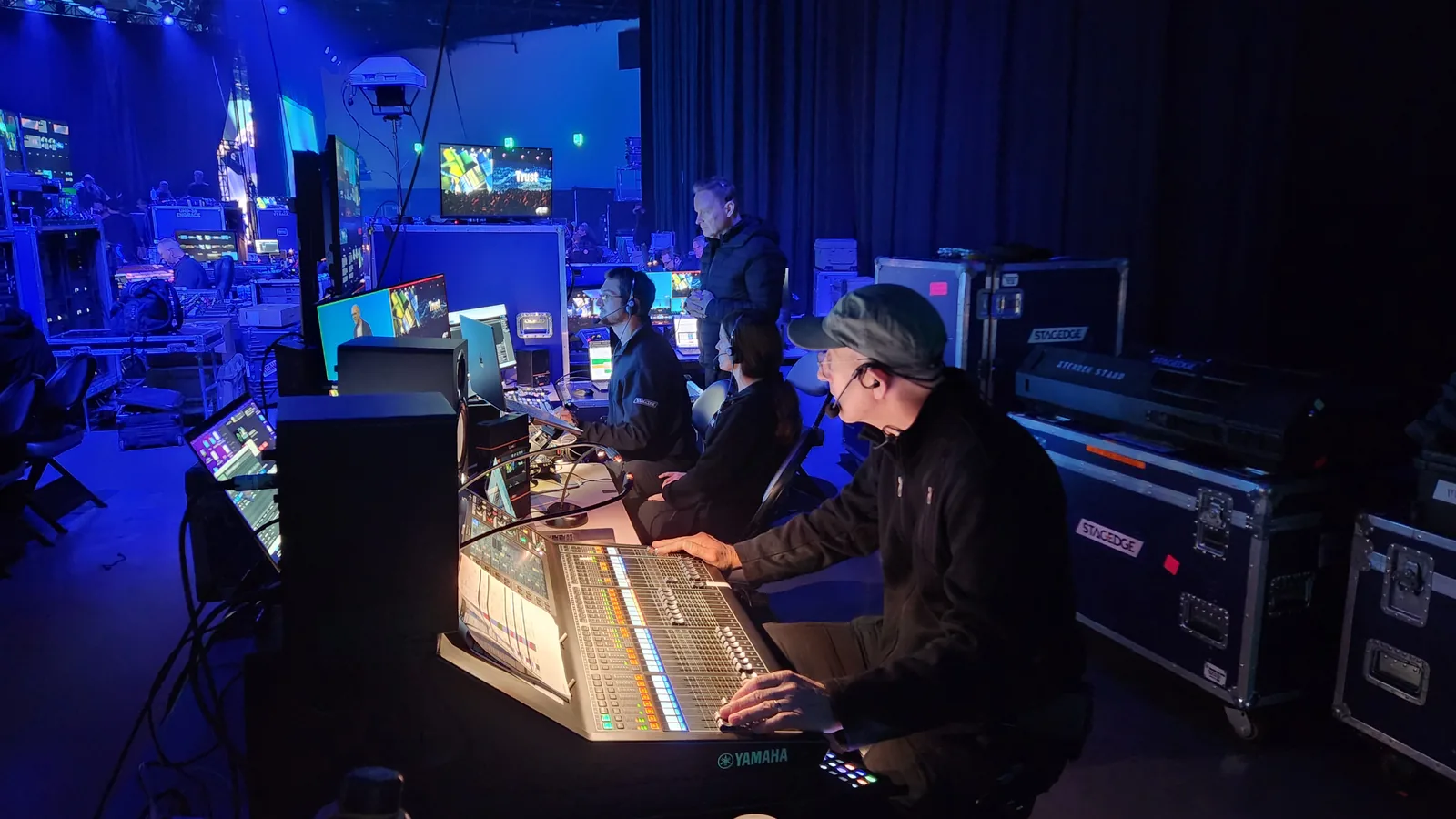
Most people think live event production is about cameras, encoders, platforms, and connectivity. Those things matter, but they are not the product. The product is confidence.
Working through plans for a recent large-scale program, it reinforced something I have seen repeatedly over the years. The more successful an event becomes, the less the conversation is about technology and the more it becomes about coordination.
What actually fails in a multi-platform livestream?
Most organizations focus on the obvious concerns:
- Does the stream work?
- Can we get the video to the platform?
- Will captions be available?
- Can we publish to social?
Those are important questions, and in my experience they are usually solvable. The harder problems are the ones nobody puts on an agenda:
- Who owns each decision?
- Which team has final authority?
- Are multiple groups making changes without telling each other?
- Does everyone understand how the systems connect?
- What happens when something changes two weeks before show day?
The failure point is rarely the encoder. The failure point is usually the handoff.
Why does each additional platform add so much complexity?
Adding a second destination sounds simple. Adding a third feels manageable. By the time you are simultaneously supporting registration systems, streaming platforms, accessibility tools, social channels, analytics dashboards, marketing teams, creative agencies, and venue providers, you are no longer running a webcast. You are operating a distributed ecosystem.
Every platform introduces:
- New permissions
- New approval workflows
- Different definitions of success
- Different reporting methods
- Different failure modes
The challenge is not making each individual component work. The challenge is making all of them work together consistently.
Who should own each decision?
One lesson I continue to relearn: if multiple teams own the same thing, nobody owns it.
Large events often involve marketing, communications, digital, production, accessibility, social media, venue operations, and executive stakeholders. All of them are important. But somebody has to be clearly accountable for the decisions that determine whether the event holds together:
- Publishing approval
- Platform access
- Content review
- Escalation management
- Change control
- Success metrics
When ownership is unclear, issues multiply. When ownership is clear, teams move faster and recover faster. A simple responsibility matrix often provides more value than another piece of technology.
How does accessibility change the production workflow?
Captions, translations, and accessibility services are becoming core production requirements rather than optional enhancements. That is a positive shift, and it means production teams have to think differently.
Accessibility is not simply about adding another service. It is about ensuring that video, audio, captions, translations, and distribution platforms remain synchronized throughout the event lifecycle. Any workflow change can affect the entire viewer experience, which is why testing has become just as important as configuration.
Why do platform metrics disagree with each other?
One of the biggest surprises for stakeholders comes after the event, when different platforms turn out to measure engagement differently. A view on one platform may not mean the same thing on another. Audience numbers, watch time, interactions, and impressions can all be calculated differently depending on where the content lives. If teams report those numbers without alignment, confusion follows.
Before an event begins, establish four things:
- Which metrics matter
- Which systems are authoritative
- How success will be defined
- Who owns reporting
The goal is not simply collecting data. The goal is creating a shared understanding of what the data actually means.
What are clients actually buying?
At the end of the day, clients rarely remember bitrate settings, codec decisions, or routing diagrams. What they remember is whether they felt supported.
Did someone identify risks early? Did someone bring clear recommendations? Did someone take ownership when things became complicated? Did someone create a path forward?
That is where the real value lives. The best production partners do not just deliver technology. They absorb uncertainty. They turn complexity into clarity. And when show day arrives, they allow their clients to focus on the audience instead of the infrastructure.
That is the real product. Not the stream. Confidence.