There Is a Process to Telling a Good Story at Your Event
Great event storytelling is not luck. It follows a process: a clear message, a narrative arc, and production choices that serve the story.
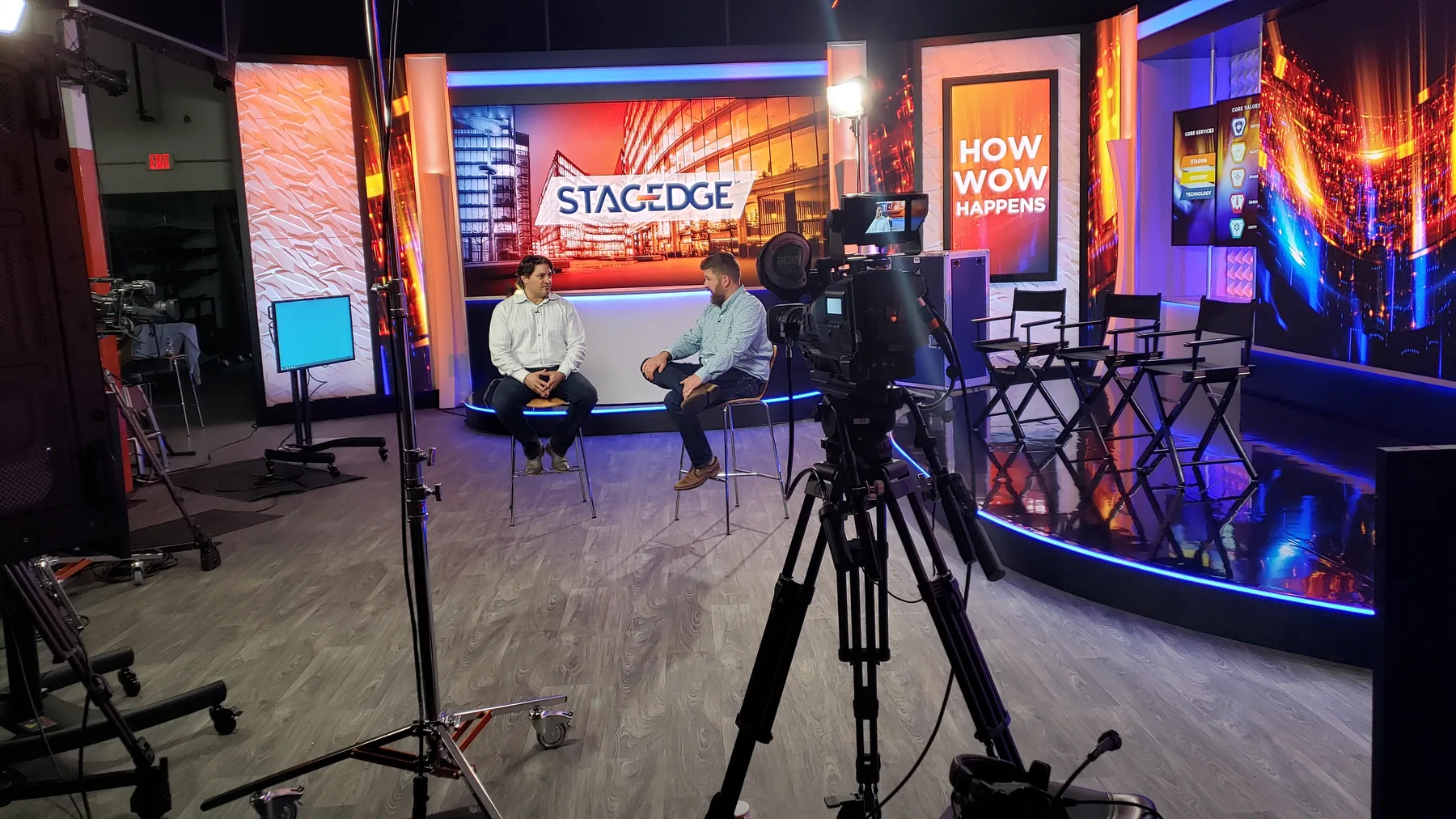
The events that move an audience are not the ones with the most expensive production. They are the ones that tell a clear story. And good storytelling at an event is not luck or instinct, it follows a process: define the message, build a narrative arc, and make every production choice serve the story rather than distract from it.
Why does storytelling matter more than production scale?
An audience remembers how an event made them feel and what it was about, not the specifications of the video wall. Production is the vehicle for the story, not the point of it. A modest event with a clear, well-told message will outperform a lavish one with no through-line every time. When production serves a story, it amplifies emotion. When it exists for its own sake, it is just noise.
What is the first step in telling a good event story?
Define the single message. Before any creative or production decision, answer one question: what is the one thing the audience should leave believing or feeling? Not five things, one. That message becomes the spine everything else hangs from. Speakers, video, staging, and pacing all get evaluated against whether they serve it.
Events that skip this step end up as a series of disconnected sessions. Events that nail it feel like one coherent experience.
How do you build a narrative arc across an event?
Treat the event like a story with a beginning, middle, and end rather than a checklist of agenda items.
The opening establishes the message and sets the emotional tone. The middle develops it, building through the sessions with deliberate pacing, rising and falling energy rather than a flat line of presentations. The close resolves it, sending the audience out with a clear sense of what it all added up to.
The arc is what turns an agenda into an experience. Each session should feel like it belongs to the same story, moving the audience somewhere rather than just filling time.
How do production choices support the story?
Every production element is a storytelling tool. Lighting sets emotional tone. Music shapes energy and transitions. Video carries narrative the stage cannot. Staging focuses attention where it belongs. Used with intent, these choices deepen the story. Used without it, they compete with it.
The discipline is asking of every element: does this serve the message, or is it here because we could? The best productions are ruthless about cutting anything that does not earn its place in the story.
What is the most common event storytelling mistake?
Leading with capability instead of message. An event that opens by showcasing what the production can do, rather than what the event is about, tells the audience the priorities are backward. Start with the story. Let the production serve it. The craft should be felt, not announced.