Why a Site Visit Is the Most Important Step in Event Production
A site visit catches what venue specs miss: stage size, load-in access, acoustics, power. Why skipping it creates avoidable risk and cost.
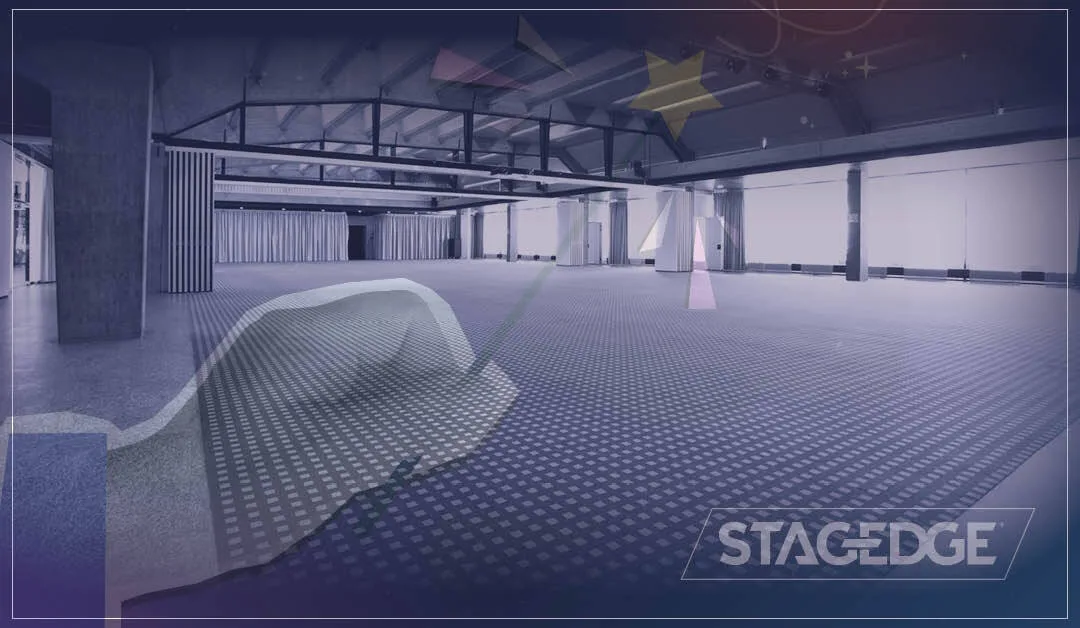
A site visit is how a production team catches what venue specs miss. Stage dimensions, load-in access, acoustic quirks, power capacity, and ceiling heights rarely translate reliably from a PDF floor plan to a show-ready space. For event planners deciding whether a site visit is worth the time, the answer is almost always yes. The cost of finding a problem on load-in day is significantly higher than finding it six weeks earlier.
After fifty years in production, the pattern is consistent. Clients who do in-person site visits have smoother shows. The ones who skip it are the ones who call with surprises.
What does a production team actually look for on a site visit?
Every venue is different. The size, layout, lighting, acoustics, room flow, and load-in logistics each affect technical requirements in specific ways. A site visit is how the production team builds an accurate picture of what the show actually needs, rather than what the venue brochure suggests.
We look at stage dimensions and sightlines, rigging points and weight limits, power availability and distribution, loading dock access and freight elevator capacity, and any renovation or construction activity that may have changed the space since the last time anyone worked there.
The goal is to surface anything that would require a design change, a budget adjustment, or a contingency plan while there is still time to address it.
Can a production team work from venue specs alone?
Venue specs are a starting point, not a substitute. Hidden costs and complications appear regularly in spaces that look straightforward on paper.
In one case, we were engaged for a product launch in a historic theater, a venue we had not worked in before. On paper it was ideal. During the site visit, the team found that the stage was significantly smaller than the dimensions suggested, which required a full rethink of the staging and video design. Catching that six weeks out is manageable. Catching it the morning of load-in is a different conversation.
In another case, a venue we knew well had undergone major renovations. Familiarity with a space from a previous engagement does not carry forward through a renovation. The site visit surfaced a load-in access issue that would have made the original logistics plan unworkable. We were able to identify an alternative venue before anything was locked in.
How does a site visit affect the production budget?
It usually tightens it. The surprises that drive cost overruns, like unexpected power requirements, additional rigging, or labor to address access issues, are the ones that surface during site visits when there is time to plan around them. When they surface on load-in day, they are more expensive to solve and harder to absorb.
A site visit is a small upfront investment that protects the much larger investment you are making in the event overall.
Does a site visit have to include the full production team?
Not always, but it should include someone with the authority to make design and logistics decisions on the spot. The value of a site visit is in the decisions it enables, like adjusting the staging concept, flagging a rigging limitation, or identifying a better load-in sequence. That requires someone present who knows the show and can act on what they see.
The site visit is also one of the most useful moments in the client-production relationship. It is the first time both teams are standing in the same space, looking at the same constraints, solving the same problem. That shared reference point carries through the entire production process.
What happens if a site visit is not possible before load-in?
At minimum, get detailed photographs, ceiling height measurements, and confirmed load-in logistics from the venue manager, and plan for contingencies. But the reality is that skipping a site visit means accepting a higher level of uncertainty, which means building more contingency time and budget into the plan.
For high-stakes events like annual conferences, investor meetings, and product launches, that uncertainty is rarely worth the time saved.