Sustainable Event Production: What Actually Makes an Impact
The biggest sustainability gains in event production come from scenic design, LED lighting, signage, and logistics, not flashy add-ons.
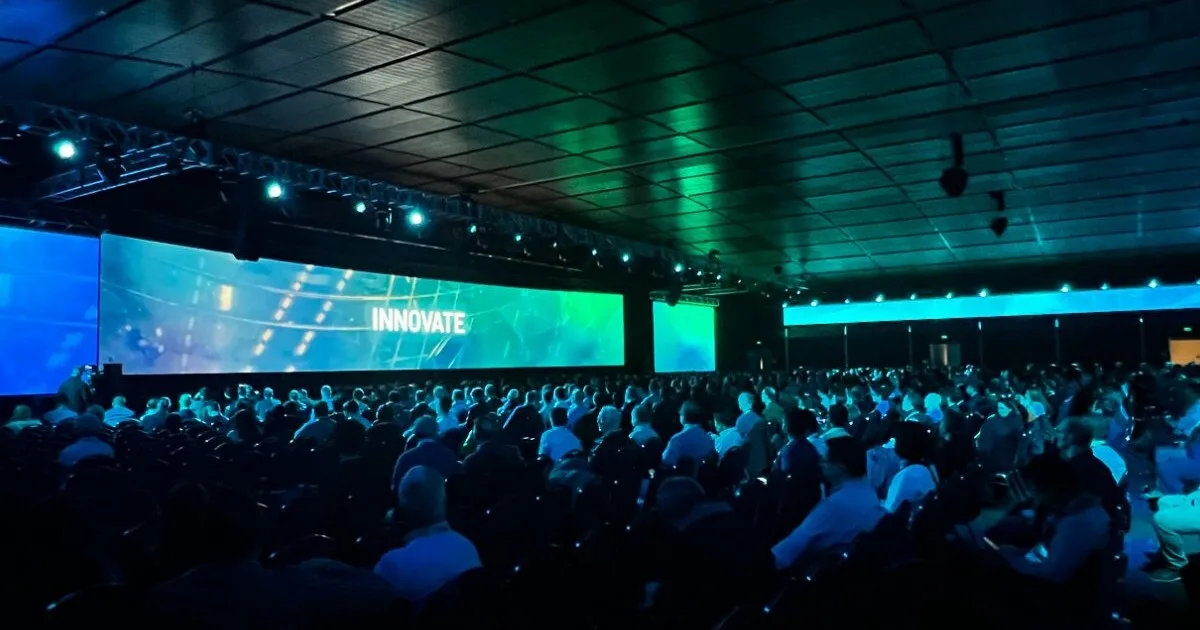
The biggest sustainability gains in event production are not flashy. They come from decisions made behind the scenes, before load-in, before the audience arrives, before anyone is watching. Scenic design, lighting choices, signage strategy, and logistics planning are where meaningful impact actually happens.
For most planners and producers, the goal is straightforward. Reduce environmental impact without sacrificing quality, increasing cost, or introducing unnecessary complexity. The challenge is that a lot of what gets labeled “sustainable” does not deliver meaningful results. It can feel performative, or worse, like an added layer of work on an already complex process.
The real opportunities are built into the decisions you are already making.
What production choices have the most environmental impact?
It often starts with what gets built. Scenic design has traditionally leaned toward custom, one-off elements that look great for a single show and then disappear. A shift toward modular systems and reusable components allows those same environments to evolve and live beyond a single event. When paired with recyclable materials and smarter fabrication choices, the impact is immediate, and it does not require compromising the creative vision.
Does LED lighting make a measurable difference in event production?
Yes, and the shift has already transformed how events are powered. LED lighting uses less energy, generates less heat, and opens up more flexibility in design. From the audience’s perspective, nothing is lost. Behind the scenes, the reduction in power consumption and cooling requirements adds up quickly across a multi-day event.
How should event planners think about signage and sustainability?
The question is not digital versus print. It is about understanding where each one makes sense.
Digital signage brings flexibility and reduces physical waste, especially in environments that need to adapt in real time. Printed elements still have a place when they are used thoughtfully and produced efficiently. The balance is where the value is.
What role does logistics play in an event’s environmental footprint?
Logistics is often one of the largest, and least visible, contributors to an event’s footprint. Freight, shipping, and sourcing decisions carry significant impact, and they are rarely part of the public-facing sustainability conversation.
Consolidating shipments, sourcing locally when possible, and eliminating unnecessary movement of materials are all practical ways to reduce emissions without affecting the end result. These decisions happen early in the planning process, which is why they require a production partner who treats logistics as a strategic input rather than an afterthought.
What makes a sustainability effort worth measuring?
The most effective efforts are the ones you can quantify: energy saved, materials reused, freight reduced. It is less about doing everything and more about doing the right things, consistently and with purpose.
When approached this way, sustainability becomes part of a smarter, more efficient production process, one that delivers the same level of creativity and impact with better decisions behind it. That is where meaningful change actually happens.